Get in touch with us on 0975873988 | +260 211 232 657 | +260 211 222 787 | Toll Free 5678 | zcomp@ccpc.org.zm | page | page

Ministry of Commerce trade and Industry

Latest News

Livingstone Hosts Inception Stakeholder Consultative Meeting on revised Regulations and Guidelines.

2026-02-12
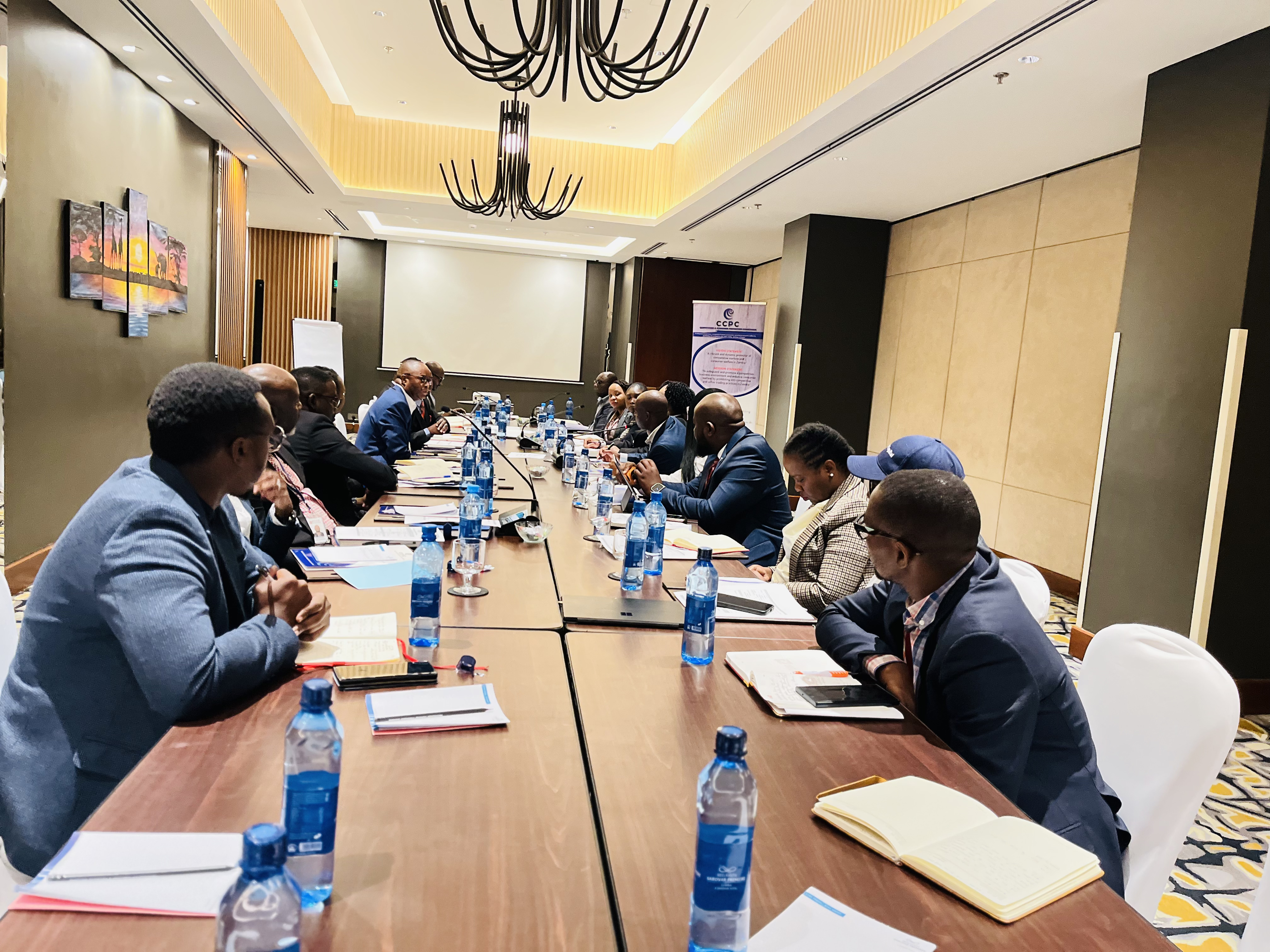
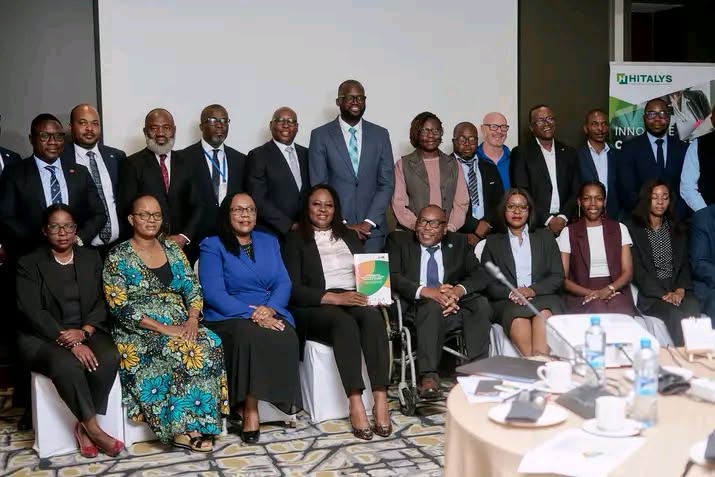
A team from the Commission engaged stakeholders in Livingstone in a consultative discussion on the revised Competition and Consumer Protection Regulations, SI No. 97 of 2011 and Guidelines of issuance of Administrative Penalties, to align them to the Competition and Consumer Protection Amendment Act No. 21 of 2023.
Livingstone marks the first of four districts across the country where these important engagements will be held.
Representing the Board of Commissioners Dr. Bishop Wilfred Chiyesu, emphasized the Commission’s readiness to work collaboratively with stakeholders. He noted that stakeholders should not feel apprehensive when approached by the Commission, but should instead embrace the engagement and remain open, as such interactions contribute to the development of the economy.
In his welcoming remarks, he encouraged participants to express themselves freely, assuring them that their contributions would be genuinely considered. He further stressed that it is the responsibility of everyone in attendance to make meaningful contributions to the deliberations.
Speaking on behalf of the Executive Director, Mrs. Eunice Phiri Hamavhwa, Director Legal Services Mrs. Marian Mwalimu Mulenga stated that the 2010 Act served the nation well. However, the rapid evolution of digital markets, the growing complexity of modern trade practices, and the need for stronger enforcement mechanisms made the 2023 amendments necessary. These reforms are designed to ensure that our regulatory framework remains relevant, predictable, fair, and effective in today’s fast-changing economic environment.
Among the key highlights of the 2023 amendments are:
1. Market Inquiries – Providing the Commission with clearer pathways to examine sectors that may not be functioning competitively or fairly for consumers.
2. Core Asset Relocation Provisions – Safeguarding national interest by ensuring that the movement of vital economic assets does not undermine competition.
3. Enhanced Digital Investigation Powers – Modernizing evidence gathering to reflect the realities of digital markets and social media environments.
She emphasised that today’s consultative session underscores our commitment to collaboration. As the saying goes, a law is only as effective as its implementation, and implementation is strengthened through stakeholder participation.
The Commission values the technical expertise, candid submissions, and constructive deliberations from all participants. Together, we are refining these regulations to ensure they are grounded in commercial reality and responsive to national needs.
Stay tuned as we continue these engagements across the country.

CCPC

CCPC BOARD OF COMMISSIONERS’ DECISION ON YANGO ZAM LIMITED INVESTIGATIONS

2026-02-03

The Competition and Consumer Protection Commission (the Commission) wishes to clarify and provide accurate information regarding recent media reports following its media briefing held on 2nd February 2026.

The Commission has noted that certain sections of the media reports have selectively highlighted and hence failed to fully avail the public with the accurate and full details of among other cases concluded in 2025, the case related to Yango Zam Limited (Yango).

As the statutory authority mandated to investigate, assess, and determine competition and consumer protection matters, the Commission considers it important to outline the background, scope, and outcome of the investigations relating to Yango Zam Limited, which were concluded by the Commission and determined by the Board of Commissioners in 2025. This is intended to support public understanding of the matter within its proper legal and procedural context.

In the interest of transparency, accountability, and public understanding, the Commission hereby sets out the factual background, findings, and determination relating to the investigations into Yango Zam Limited, as conducted by the Commission and determined by the Board of Commissioners.

This statement therefore is meant to provide clarity on the correct facts on the Yango matter as presented in the Press Statement by the Commission’s Executive Director.

In 2022, the Commission initiated investigations against Yango Zam Limited regarding allegations of predatory pricing of online ride hailing services. The Investigation was initiated after the Commission received complaints alleging that Yango Zam was pricing taxi rides below the marginal costs incurred in the provision of ride hailing services, to obtain market share. It was alleged that the conduct made other competitors in the online ride hailing service provision, who did not have the capacity to price below marginal costs, to exit the market. It was alleged that once all the competitors had exited the market, Yango Zam would hike their prices and make abnormal profits to the detriment of consumers. It was further submitted that Yango Zam was not paying taxes for their operations in Zambia and as such were able to charge lower prices than their competitors who were paying taxes.

The Commission also received complaints where it was alleged that the prices that Yango Zam was charging customers on the Yango digital platform were too low. The complaints further alleged that drivers were unable to cancel rides if they decided not to proceed with the order before picking the customer and that before picking the customer, drivers were unable to see the details of trips such as destination and price of the trip. Further, it was alleged that even the other incentives such as the weekly bonuses which were previously provided by Yango Zam to the drivers were withheld or revoked in unexplained circumstances.

Further complaints received by the Commission against Yango Zam entailed that online ride hailing drivers were operating outside the provisions of the Road Traffic Act No. 11 of 2002 as they did not hold licenses which allowed them to operate as taxi service providers. It was submitted that this was unfair as traditional taxi operators were required to carry such licenses. In addition, it was also alleged that passengers had the ability to reduce the fare for the ride and did not consider the wear and tear of the vehicle.

Following a comprehensive investigation and consideration of the submissions made relating to violations under the Competition and Consumer Protection Act No. 24 of 2010 as amended, the Board of Commissioners determined that Yango Zam Limited contravened Sections 8, 10, and 16(2)(a) of the Competition and Consumer Protection Act. The Board further determined that Yango Zam Limited did not contravene Section16 (2) (g) of the Act.

In resolving this case, the Board determined that Yango ZAM Limited had violated

a)    Section 8, on Anti-Competitive agreements or concerted practices concluding that their agreement had the illegal effect of preventing and restricting competition in violation of the Act

b)   Section 10, that lack of pricing autonomy, driven by the platform's control over fare calculation and presentation, functions as an indirect form of Resale Price Maintenance.

c)    And that Yango abused its dominant position in the market, contrary to Section 16 (2) (a) of the Act, by imposing unfair trading conditions on drivers.

d)   They further determined that Yango Zam Limited did not contravene Section 16 (2) (g) of the Act, that Yango did not set prices below the marginal cost when providing online ride hailing services.


In view of the deliberations and determination given above, the Board of Commissioners further directed that:


a.     Yango is fined 2 % of their total annual turnover for violation of Section 8 of the Act;

b.     Yango is fined 7% of their total annual turnover for violation of Section 10 of the Act.

c.      Yango is fined 3% of their total Annual Turnover for violation of Section 16 of the Act.

d.     Yango submits it audited book of accounts for 2023 for the determination of the fine.

e.      Yango opens a physical interaction platform with the drivers where drivers can air their grievances and concerns and suggestions.

f.       Yango should ensure that their platform shows the price and destination of a trip before a driver accepts a ride; and,

g.     The Complainants be informed of the Commission’s findings.

CCPC

FOR IMMEDIATE RELEASE PRESS STATEMENT LUSAKA, ZAMBIA COMPETITION AND CONSUMER PROTECTION COMMISSION (CCPC) ANNOUNCES KEY ACHIEVEMENTS IN 2025

2026-02-02
Greetings, ladies and gentlemen, and welcome to this end of year press briefing for the year 2025. May I recognise the presence of
  • Directors and managers from the Competition and Consumer Protection Commission (“the Commission”),
  • Members of the press,
  • Esteemed stakeholders, valued partners, and ladies and gentlemen,
I am pleased to present the Commission’s key achievements for 2025, marking a year of significant progress in regulatory enforcement and business compliance, institutional development, and consumer advocacy.
Ladies and gentlemen
Throughout the year, the Commission intensified its regulatory oversight to ensure that businesses adhere to the principles of fair competition.
Mergers and acquisitions
Ladies and gentlemen
In 2025, the Commission handled a total of one hundred and three (103) merger transactions, which reflected the same number of merger transactions handled in 2024. The merger cases reviewed in 2025 had a collective investment value of approximately US$899.9 million and facilitated the creation and preservation of 1,191 direct and indirect jobs. Notable merger activity was recorded across a wide range of sectors, including manufacturing, mining, services, agriculture, real estate, transport and logistics, banking, ICT, health, education, media, and insurance.
Merger transactions deliver significant economic benefits to the country. Through the review and authorisation of mergers and acquisitions, firms are able to reduce production costs and improve productivity by leveraging economies of scale. Additional benefits include job creation and increased investment, as larger and more efficient firms are often better positioned to invest in innovation, research, and development. Mergers can also enhance market competitiveness by creating stronger business entities, thereby supporting economic growth and improving the quality and availability of products and services.
Ladies and gentlemen
In the mining sector, the Commission authorised significant transactions, including the sale of a 45 percent shareholding in Consolidated Gold Company of Zambia Limited by ZCCM-Investments Holdings plc. In the manufacturing sector, mergers such as the acquisition of Clotan Steel by BSI Steel Holdings were approved after the Commission established that the transactions raised no competition or public interest concerns.
The Commission also facilitated asset acquisitions, including the transaction involving Arkay Plastics and Mount Meru Eco Plast, which ensured business continuity and operational stability. In the hospitality sector, the merger between Travel and Leisure Company Limited and Chiawa Investments and Development Company was authorised, with anticipated benefits including the promotion of employment and growth in the tourism industry. In addition, the commission reviewed over 30 cross-border mergers in collaboration with the Competition and Consumer Commission (CCCC), including major transactions in the insurance and entertainment sectors.
Ladies and gentlemen
The Commission also conducted three (3) compliance audits in 2025 for merger transactions that had previously been approved with conditions by the Commission. Compliance audits are carried out to assess the level of adherence to the conditions given to the merging parties.
The Commission continued to enhance its merger review processes through stakeholder engagement, development of compliance audit guidelines, and review of the guidelines on merger regulations.
Abuse of dominance
Ladies and gentlemen
The Commission investigated a total of nineteen (19) abuse of dominance cases in 2025 compared to 14 cases in 2024. The notable types of abuse of dominance cases included excessive pricing and exclusionary conduct, which limited access to markets for other market players. Two enterprises were fined in the cases investigated, as the Commission established that the said enterprises had abused their dominant positions of market power.
Restrictive business practices
Ladies and gentlemen
With regards to restrictive business practices (RBPs), the Commission investigated thirty-eight (38) RBP cases in 2025, representing a 7.3% decrease from 2024. Key sectors affected included retail, services, manufacturing and transport.
Ladies and gentlemen
Of note is the case involving the ride-hailing business (Yango). As you may be aware, this issue has continued to raise interest, and in December 2025, the Board of Commissioners delivered a decision on the allegations of anti-competitive business practices by Yango Zam Limited (Yango).
The investigations were initiated following complaints alleging that Yango engaged in below-cost pricing of taxi rides in order to gain a foothold in the ride-hailing market. Further allegations were that this conduct forced competitors who lacked the capacity to price below marginal cost to exit the market, after which Yango would increase prices and earn excessive profits to the detriment of consumers. The complaints further alleged that Yango was not paying taxes on its operations in Zambia, enabling it to charge lower prices than competitors who were tax-compliant.
Additional concerns were raised regarding the treatment of drivers on the platform. It was alleged that drivers were unable to cancel trips prior to picking up passengers and were not provided with key trip details, such as destination and fare, before accepting rides. Complaints also indicated that certain incentives, including weekly driver bonuses, were withdrawn or revoked without clear explanation.
Further allegations related to regulatory compliance, with claims that ride-hailing drivers operating on the yango platform did not hold licences required under the Road Traffic Act No. 11 of 2002 to operate as taxi service providers, placing traditional taxi operators at a disadvantage. It was also alleged that passengers were able to reduce fares in a manner that did not adequately account for vehicle operating costs, including wear and tear.
Following its investigations, the Board of Commissioners determined that Yango Zam Limited had contravened sections 8, 10, and 16(2)(a) of the Act. Consequently, the board directed that Yango be;
(i)          fined in accordance with the law,
(ii)        establish a physical engagement platform to allow drivers to raise grievances, concerns, and suggestions, and
(iii)      ensure that its digital platform displays trip destination and pricing information before drivers accept rides.
Additionally, the Commission also investigated authorised motor vehicle dealers on service intervals and committed to developing sector guidelines to ensure no competition infringement within the sector occurs. The Commission further investigated two cartel cases in the agriculture and ICT sectors, which were concluded in 2025.
The rise in enforcement actions is a positive indicator of the Commission's efforts to build stakeholder confidence in the Commission. The Commission anticipates that this will encourage more whistleblowers to come forward, leading to the effective resolution of reported cases. Our ongoing enforcement initiatives are designed to create favourable competition in various markets, paving the way for new entrants that will enhance consumer choice and contribute positively to the economy.
Ladies and gentlemen
These efforts underscore the Commission's commitment to fostering a level playing field and promoting fairer markets. By encouraging increased competition, growth, creativity, and innovation, the Commission aims to facilitate easier market entry for new firms, ultimately benefiting consumer welfare.
The Commission continues to implement leniency and whistleblower protection programmes to ensure openness and forthcomingness with regard to information flow during investigations, and once anti-competitive conduct is observed by whistleblowers. The Commission remains committed to strengthening market regulation, enhancing collaboration, and safeguarding consumer welfare. We appreciate the continued support of the government, stakeholders, including the media and the general public.
Consumer protection
Ladies and gentlemen
Consumer protection remains one of the core mandates. In 2025, the Commission resolved a total of one thousand one hundred and forty-five (1,145) consumer complaints, compared to one thousand four hundred and seventy-seven (1,477) cases resolved in 2024. The reduction in the number of complaints received and resolved during the year is largely attributed to the Commission’s robust consumer awareness programmes and proactive engagements with enterprises and traders. This equipped consumers with the required information and know-how to stand up for themselves and demand redress without the Commission’s intervention. For traders, the realisation that the Commission had hefty fines for engaging in unfair trading practices encouraged them to proactively resolve matters with consumers, further reducing the need for the Commission’s intervention.
The majority of complaints originated from the retail sector, which accounted for 38.22 percent of the total cases handled. Most of these complaints in the retail sector related to traders’ failure to supply goods purchased on lay-by arrangements and the supply of defective goods, particularly alternative energy products such as solar panels, inverters, and batteries, as well as electronic products including mobile phones and television sets this was followed by the microfinance sector at 27.51 percent, the information and communication technology (ict) – mobile money sector at 10.11 percent, and the banking and finance sector at 7.07 percent. The remaining 17.09 percent was attributed to other sectors of the economy.
Ladies and gentlemen
The Commission facilitated refunds amounting to K3,090,090.73 and secured product replacements, repairs, and re-performance of services valued at K1,771,300.00 for vulnerable consumers, funds that would likely have been lost without the Commission’s intervention.
This compares to refunds of K4,229,449.35 and replacements, repairs, and re-performance valued at K1,487,937.89 recorded in 2024. The slight reduction in compensation values in 2025 is attributed to the Commission’s intensified consumer sensitisation initiatives, which empowered consumers with the knowledge and confidence to seek appropriate redress directly from traders without the need for regulatory intervention.
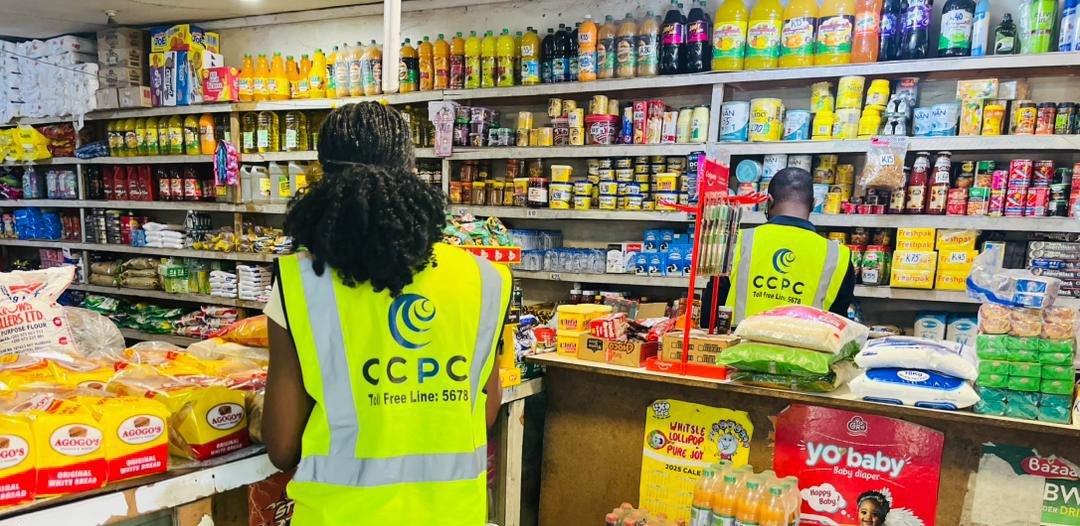
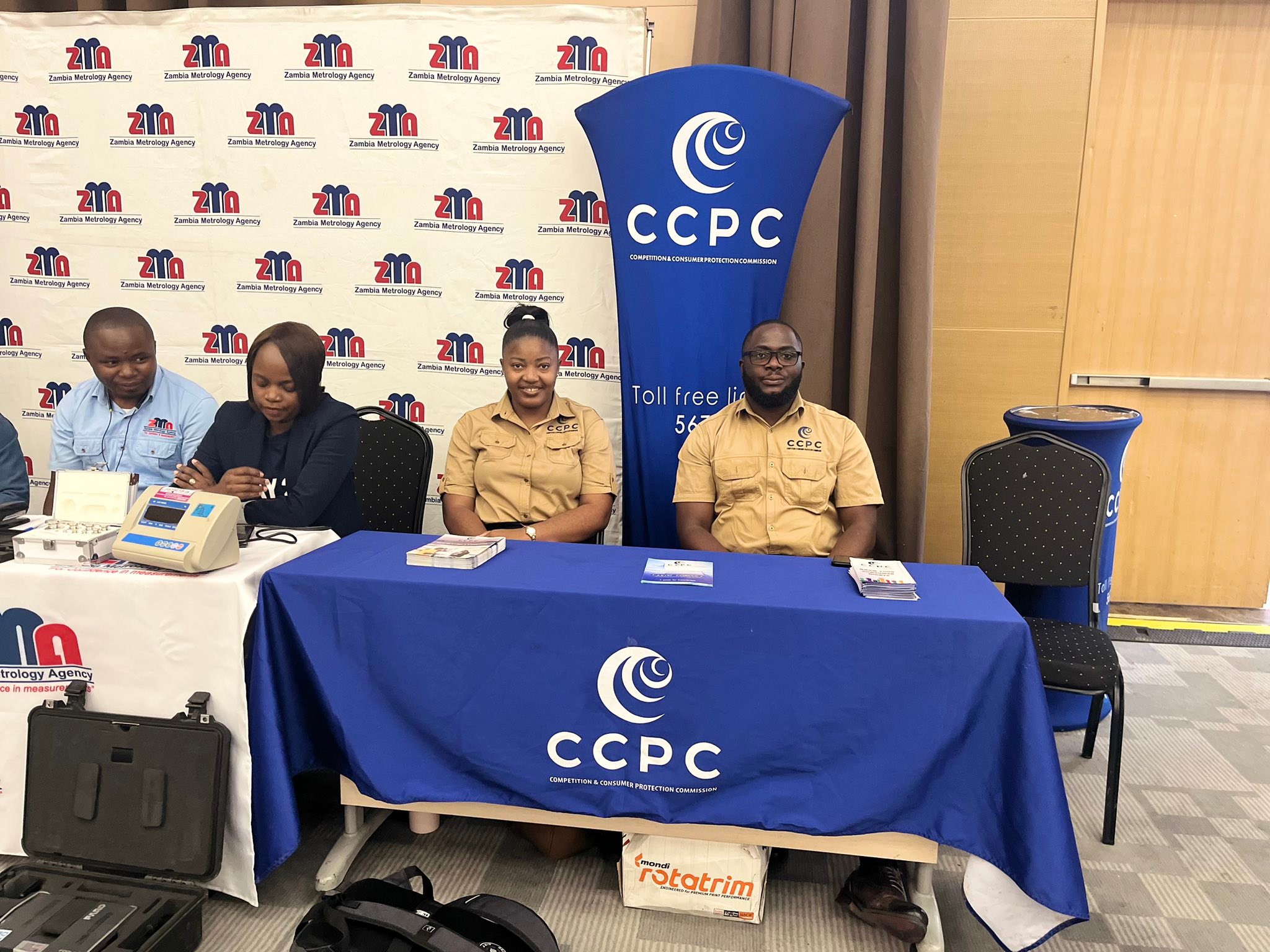
In 2025, the Commission also collaborated with partners of like interests, such as local authorities, the Zambia Compulsory Standards Agency (ZCSA), the Zambia Metrology Agency, the Ministry of Health, the Zambia Police Service, and other relevant regulators, to conduct joint inspections across the country. As a result, the Commission successfully inspected a total of one thousand nine hundred and sixty (1,960) trading premises across eighty-five (85) districts, resulting in the seizure of goods valued at six hundred and twenty-seven thousand nine hundred and eleven kwacha forty-nine ngwee (K627,911.49). This represented an increase from one thousand four hundred and forty-three (1,443) premises inspected in 2024. Attributed to the Commission’s deliberate approach to increased outreach activities.
Ladies and gentlemen
In line with its target of achieving a 75% successful prosecution rate, the Commission handled a total of forty-three (43) cases before the competition and consumer protection tribunal in 2024. Of these, fifteen (15) cases were concluded and awaiting judgment, thirteen (13) cases were pending determination on whether the decisions of the Board of Commissioners were within the ambit of the act, while fifteen (15) mandatory order applications involving non-compliant enterprises remained under consideration.
During the period under review, the tribunal delivered seven (7) judgments in favour of the Commission across the aviation, construction, retail, and wholesale sectors, thereby reinforcing the Commission’s enforcement and regulatory mandate.
Ladies and gentlemen
In the case of Jimuceci vs the Competition and Consumer Protection Commission, the Tribunal clarified the application of dominance provisions, finding that while the enterprise held a dominant position in the market, it had not abused that position as prohibited under the Act.
The tribunal also upheld the decision of the board in Saloba Limited vs the Commission, ruling that unilateral price adjustments without a contractual escalation clause constitute unfair contract terms, and ordered the enterprise to honour the original agreed price.
Ladies and gentlemen
In the case of the Commission vs Rusangu University, the tribunal affirmed that a settlement with complainants does not exempt sanctioned enterprises from statutory penalties, particularly where services were offered without the requisite accreditation.
Further, in Rustic Stone Limited vs the Commission, the tribunal held that failure to exercise reasonable care and skill in service delivery constituted a violation of the act, and ordered both a refund and payment of penalties.
The Commission also obtained mandatory orders against non-compliant enterprises, including orders compelling refunds, settlement of outstanding consumer claims, and payment of statutory penalties.
As pertains to cases before the courts, during the year, the Commission received one (1) judgment from the court of appeal for Zambia.  This case strengthens the role that the tribunal plays in reviewing the decisions of the Board of Commissioners.
Ladies and gentlemen
On 17th June 2025, the Court of Appeal passed a judgment in the case of Competition and Consumer Protection Commission and ATS Agrochemicals Limited vs syngenta zambia limited, tombwe processing limited and Precision Farming Holdings Limited. In that matter, Tombwe Processing Limited instructed its contracted farmers to purchase specific Crop Protection Agents (CPAs) from Syngenta and precision only. Syngenta and Precision had looked at their prices in order to offer a reduced price on the products.
The Court of Appeal adjudged that the respondents had contravened section 8 of the Competition and Consumer Protection Act No. 24 of 2010 and upheld the Competition and Consumer Protection Tribunal’s decision to impose penalties on the respondents. However, in terms of sections 9 and 16 of the Act, the Court of Appeal held that the respondents had not contravened the Act.
Ladies and gentlemen
In the course of carrying out its mandate to promote fair competition and protect consumers, the Commission administers a range of statutory processes, including the giving of directives and, in some cases, the assessment of penalties arising from confirmed contraventions. The Commission also levies prescribed fees for applications such as mergers, exemptions, and other authorisations with the purpose of defraying administrative costs. During the period 1st January 2025 to 31st December 2025, the Commission realised total non-tax revenue amounting to fifty-eight million, nine hundred and sixteen thousand, nine hundred and ninety-six kwacha and forty-four ngwee (K58,916,996.44), exceeding the approved non-tax revenue target of K55 million. This performance reflects the effective utilisation of lawful and transparent regulatory mechanisms to support compliance, implement board directives, and advance consumer protection and fair competition in the marketplace.
Research and Education
Ladies and gentlemen
On 8th April 2024, the Commission launched the commercial poultry market inquiry under Part V of the Competition and Consumer Protection Act No. 24 of 2010 and Part III of the regulations. The inquiry was prompted by stakeholder complaints, prior studies, and the Commission’s regulatory experience with mergers, anti-competitive practices, and agreements in the poultry sector.
The poultry and feed industries are vital to Zambia’s economy, serving as both key protein sources and anchors for agro-industrial growth. Despite steady expansion reaching about 53,840 metric tons of poultry meat in 2023, Zambia’s per capita poultry consumption remains lower than regional peers, signalling untapped growth potential. However, affordability constraints and weak competitiveness limit broader market development.
The inquiry revealed that the sector is characterised by high vertical integration, where a few dominant firms control breeding, feed production, processing, and distribution. This concentration limits price competition and restricts access to inputs for independent producers. In the feed market, similar dominance and strategic practices among competitors further suppress competition. High entry barriers, including capital requirements, limited breed access, and distribution challenges, exacerbate the problem.
The Commission’s key recommendations include:
·         reviewing licensing agreements to ensure fair access to breeding stock;
·         strengthening regulatory oversight and disclosure requirements for vertically integrated firms;
·         tightening merger control and monitoring of integration trends; and
·         investigating territorial and supply restrictions affecting regional competition.
Collaboration
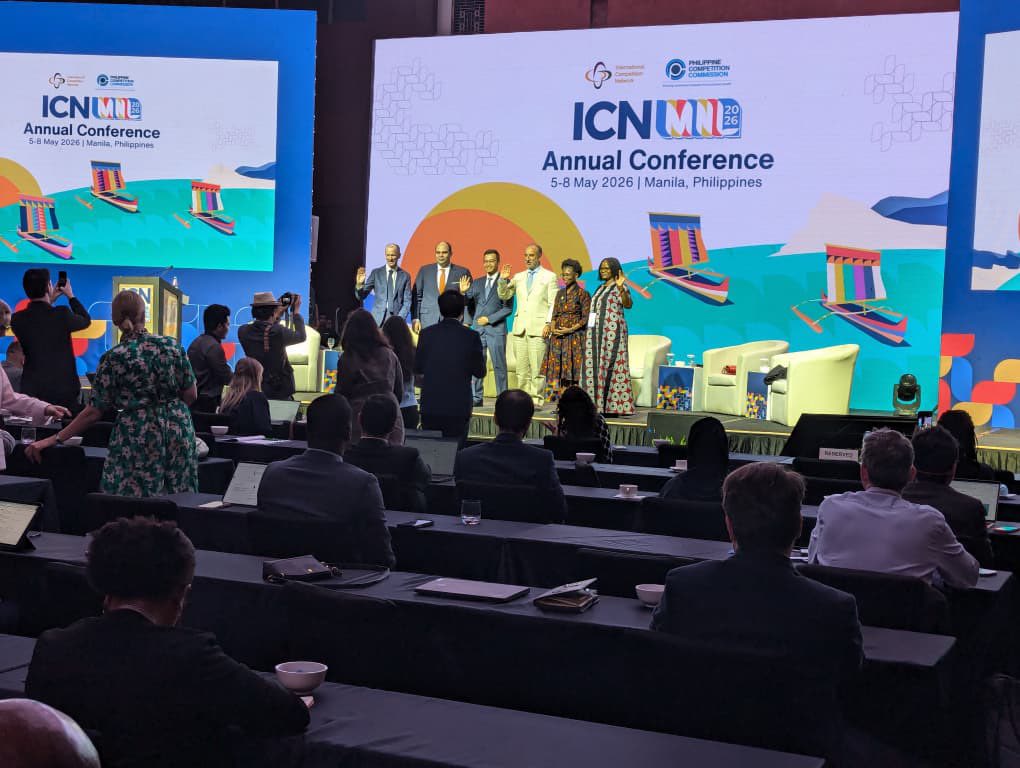
The Commission strengthened its regional and international footprint through active collaboration with key bodies, including COMESA Competition and the Consumer Commission, UNCTAD, the International Competition Network (ICN), ICPEN, the African Competition Forum and SADC structures. Through conferences, workshops and capacity-building initiatives across Africa, Europe, and Asia, the Commission enhanced its capacity to address cross-border competition and consumer protection issues, reaffirming its commitment to fair and competitive markets.
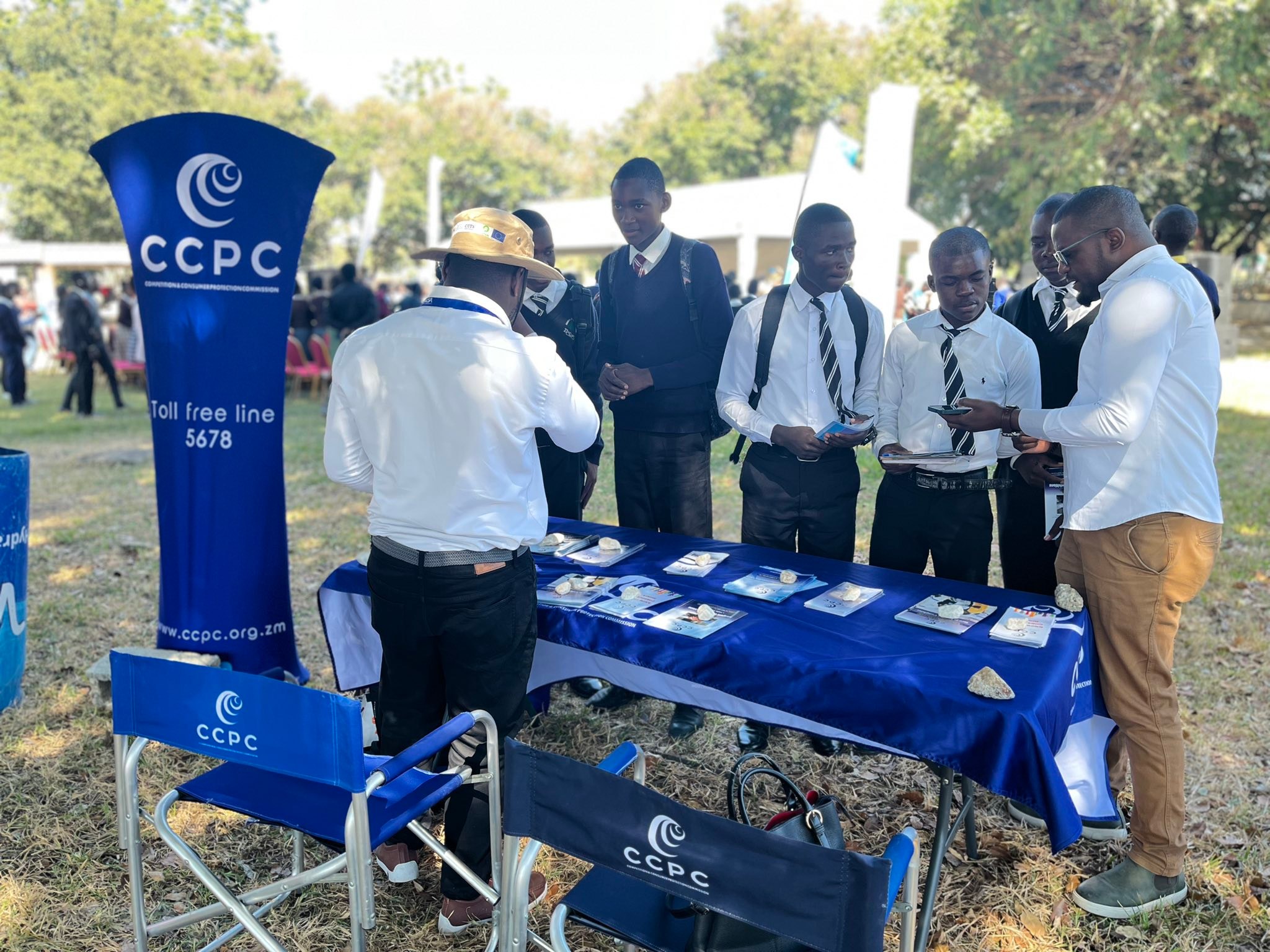
Domestically, the Commission marked World Consumer Rights Day 2025 under the theme “a just transition to sustainable lifestyles” through nationwide awareness activities, including media engagements, exhibitions and learner outreach. This was complemented by the formal launch of the CCPC/Zambia Compulsory Standards Agency (ZCSA) joint school clubs initiative, aimed at strengthening consumer awareness, standards compliance and fair market practices among young learners.
The Commission also prioritised stakeholder engagement as a preventive and collaborative approach to enforcement. Notably, it engaged the banking sector on consumer concerns related to loan management fees, transparency of charges, loan tenure adjustments linked to policy rate changes, atm service reliability, transaction reversals and mobile money–bank integration challenges. These engagements underscore the Commission’s focus on improving consumer experiences through dialogue, transparency and sustained cooperation with industry stakeholders.
Ladies and gentlemen
As I conclude, allow me to extend my gratitude to the Government, Board of Commissioners, regulatory partners, industry stakeholders, the press and the public for their continued support in promoting a fair and transparent marketplace.

CCPC

COMPETITION AND CONSUMER PROTECTION COMMISSION WARNS SCHOOLS AGAINST RESTRICTING PARENTS/GUARDIANS AND LEARNERS IN CHOOSING UNIFORM SUPPLIERS

2026-01-21
The Competition and Consumer Protection Commission (CCPC) has issued a caution to schools that are in the habit of tying school places to the purchase of uniforms from their schools or from specific suppliers, not to force or coerce parents/guardians and learners to purchase school uniforms exclusively from them or selected suppliers. CCPC notes that this practice is common among some schools at the beginning of each academic year. This conduct violates the provisions of the Competition and Consumer Protection Act No. 24 of 2010, as amended by Act No. 21 of 2023. The practice of forcing learners, their parents, or guardians to purchase uniforms solely from the school or selected suppliers restricts consumer choice. CCPC warns that such practices can lead to inflated prices, reduced consumer choice, and diminished quality for the affected learners, parents, and guardians. School authorities engaging in these activities should be aware that the law prohibits such practices, as they do not only violate consumer rights but these practices also distort market competition. Furthermore, the practice of restricting uniform purchasing options excludes other competitive sources, thereby distorting the market and creating an unfair advantage for specific suppliers. Such exclusionary and anti-competitive conduct of tying school places to buying of uniforms impedes the promotion of healthy market competition. While CCPC acknowledges that school uniforms must meet specific standards, it emphasizes that schools should provide guidelines on the type, shade, and colour of uniforms required but should not mandate that parents or guardians purchase them exclusively from the school or designated suppliers. Leaners and parents who choose to purchase uniforms from alternative sources at competitive prices must ensure that the uniforms meet the school’s standards. CCPC commends members of the public who have reported such practices and the schools that have complied with the law after being engaged by the Commission. CCPC encourages members of the public who encounter similar practices to file complaints promptly, in order to ensure that such matters are addressed in a timely manner. Further, CCPC would like to warn all schools to comply with the provisions of the law as failure to do so may attract a penalty of up to one hundred and fifty thousand penalty units in case of a ‘person’ and up to 10% of annual turnover in case of an ‘enterprise.’

CCPC

Events